Showing posts with label ayurveda. Show all posts

The Uses and Benefits of Fenugreek Powder - Hair, Skin and Food


Fenugreek Powder

Fenugreek Powder for Hair care

Fenugreek powder is used for hair treatment and for re-growing hair. It is used as a conditioner, and fights dandruff and scalp conditions. It makes hair thicker and stronger.

Fenugreek Powder for Health

Fenugreek is taken by mouth for digestive problems such as loss of appetite, upset stomach, constipation, inflammation of the stomach (gastritis). Fenugreek is also used for diabetes, painful menstruation, menopause, polycystic ovary syndrome, arthritis, poor thyroid function, and obesity.

Some men use fenugreek for hernia, erectile dysfunction (ED), male infertility, and other male problems. Both men and women use fenugreek to improve sexual interest.

Women who are breast-feeding sometimes use fenugreek to promote milk flow. Fenugreek powder reduces pain during periods: If you experience pain every time you menstruate, try having fenugreek powder. 2 to 3 grams of fenugreek powder during the first three days of your period can help reduce the pain to a large extent.

Fenugreek Powder for Skin

The presence of vitamin C in fenugreek seeds lightens the skin complexion and gives it a beautiful glow. Fenugreek seeds soaked in water overnight and blended into a paste work as a superb skin cleanser. Fenugreek seeds contain vitamin K and vitamin C that help in reducing blemishes and dark circles from the skin. Fenugreek seeds are enriched with anti-bacterial properties, and therefore help people having acne problems

How to use Fenugreek Powder for hair care

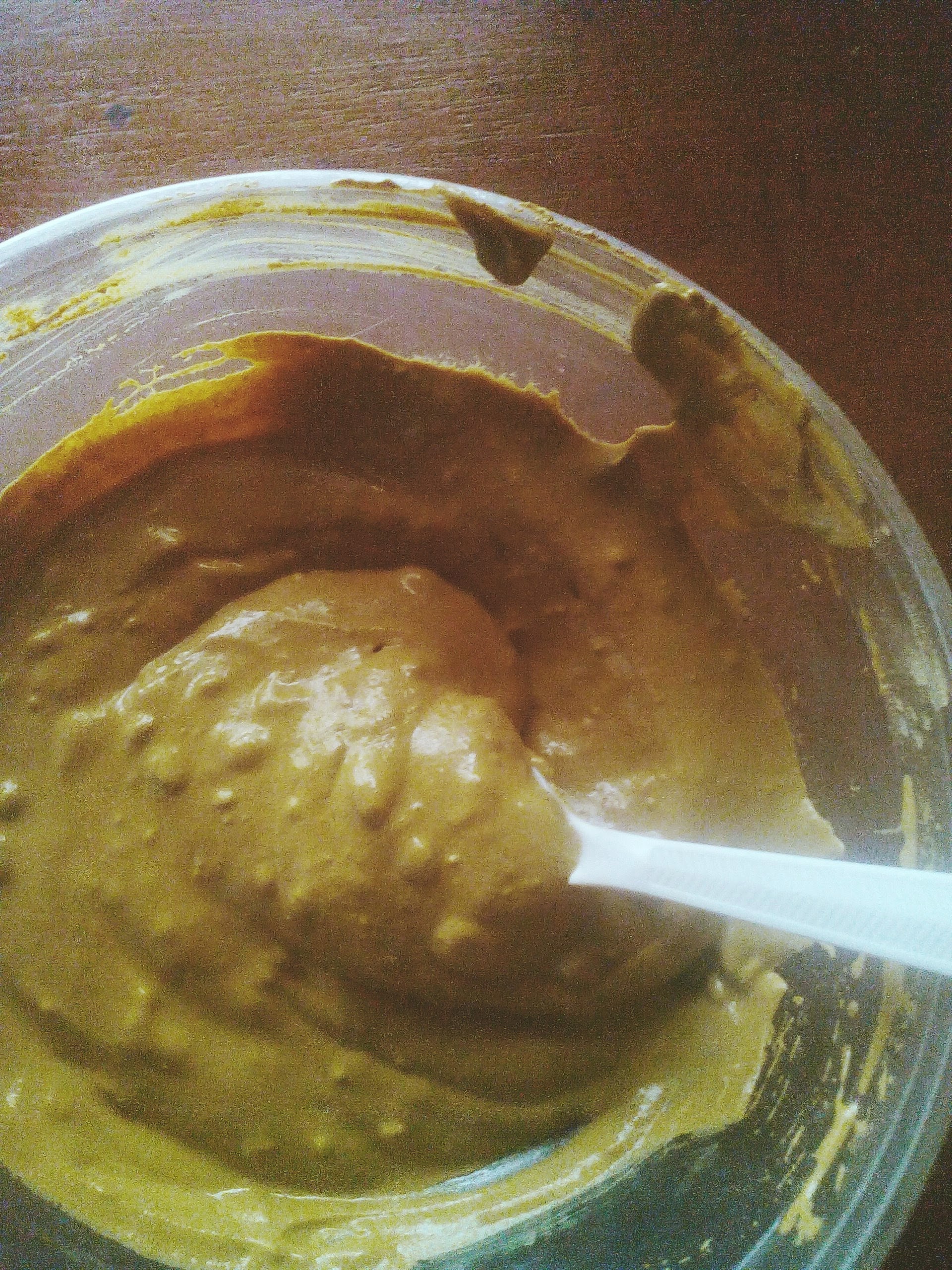
Mix water with your Fenugreek powder form a pasty solution, and add a little lemon juice to it. Use it as a mask on your hair and scalp. Cover your hair with a plastic/disposable/steaming cap for 30 to 45 minutes, and let the hair steam or use your natural body heat. Wash off


Where to get Fenugreek Powder in Nigeria

You can get your Fenugreek powder here in Nigeria by clicking here. African Naturalistas Fenugreek Powder is 100% pure and Natural. We deliver nationwide and worldwide.

African Naturalistas Fenugreek Powder


Chebe Powder for Hair Growth

Chebe Powder

Brief History of Chebe Powder
Chebe is a Chadian mixture of herbs is made primarily from Croton Gratissimus, also known as the Lavender Croton. It is a shrub and it is actually grown all over Africa. This shrub is used for medicinal purposes and you can find it being grown outside houses, mainly in towns and villages.

Various ingredients are combined to make the finished Chebe Powder product, with the main ingredient being Chebe. The other ingredients include Mahlaba (Cherry kernels), Samour (Mastic Gum), Clove & Sudanese Khumra Perfume oils.

Chebe Powder for Growth
Chebe is known for nourishing, hydrating, and improving moisture retention in the strands of hair. This in turn helps prevent breakage, which allows the hair to reach its full length potential, while also encouraging thickness and improving curl definition.

Chebe powder helps to naturally condition the hair by preserving the hair moisture.
It also boosts the density of the hair which positively affects its strength and thickness. The chemical free ingredient in Chebe powder arguably does a lot to the hair.

It helps your hair to growth when used over a period of time.
Preserving the moisture of your hair is another value Chebe powder offers. No matter how hard it is for your hair to retain moisture, Chebe powder will help.

It offers great nourishment that improves your hair health

How to use Chebe Powder for hair growth
a. Light Density Hair
Mix water with your Chebe powder to form a pasty solution. Use it as a mask on your hair and scalp. Cover your hair with a plastic/disposable/steaming cap for 10 to 15 minutes, and let the hair steam or use your natural body heat. Wash off

b. Normal Density Hair
Mix Olive oil and very little water with your Chebe powder to form a pasty solution. Use it as a mask on your hair and scalp. Cover your hair with a plastic/disposable cap for 10 to 15 minutes,  and let the hair steam or use your natural body heat. Wash off

c. High Density/Coarse Hair
Mix Shea Butter/Mango Butter and very little water with your Chebe powder to form a pasty solution. Use it as a mask on your hair and scalp. Cover your hair with a plastic/disposable cap for 10 to 15 minutes,  and let the hair steam or use your natural body heat. Wash off

How to use Chebe Powder to grow your edges
If you are recovering from traction alopecia or postpartum alopecia, you can use Chebe powder to grow your edges
Pour some Chebe powder in a bottle of olive oil, and leave it in for three weeks. Extract the Chebe oil infusion, and use this to massage the affected area day and night,

You can also add this Chebe oil infusion to your creams, twist and curl puddings.

The myth about Karkar Oil
If you google Chebe Powder, you will most likely see it being accompanied with a strange oil called Karkar oil, and begin to wonder what this thing is. There's no need to be confused. In fact, there's no oil called Karkar oil. The Sudanese people refer to any oil that has been infused with Chebe powder as Karkar oil, so you don't need to go out there looking for any special oil. You can decide to make your own Karkar oil, as directed above. That way, you know you are using natural oil to get your Chebe oil infusion, an not a petroleum-based substance. Any natural carrier oil such as Coconut oil, palm kernel oil, olive oil, sweet almond oil, etc, will give you the desired effect.

Where to get Chebe Powder in Nigeria

You can get your Chebe powder here in Nigeria by clicking here. African Naturalistas Chebe Powder is 100% pure and Natural.We deliver nationwide and worldwide.

African Naturalistas Chebe Powder

The Uses and Benefits of Mint Powder - Hair, Skin and Food


Mint Powder


Mint Powder for Hair and Scalp care

Mint powder keeps the scalp clean free from dandruff and inflammation. It acts as an excellent coolant by keeping scalp refreshed, and balances healthy pH of scalp.

Mint Powder for Skin Care

Mint is rich in salicylic acid, making it an effective acne treatment. When applied on the skin, mint paste can help soothe the skin and keep acne away. Mint is rich in menthol and also has anti-bacterial properties. You can count upon to come to your rescue when it comes to frequent acne and pimple breakouts, sun burns and rashes. From cleansing to toning and hydrating your skin, mint helps your skin feel great.

Mint Powder for food

Mint is a popular ingredient in several foods and beverages, ranging from teas and alcoholic drinks to sauces, salads and desserts. While eating the plant offers some health benefits, research shows that several of mint’s health benefits come from applying it to the skin, inhaling its aroma or taking it as a capsule. Mint may also be effective at relieving other digestive problems such as upset stomach and indigestion.

You can easily add mint to green salads, desserts, smoothies and even water. Using fresh mint and other herbs and spices in cooking can help a person add flavor while reducing their sodium and sugar intake. Mint is a calming herb that people have used for thousands of years to help soothe an upset stomach or indigestion.

How to use Mint Powder for hair care

Mix water with your mint powder form a pasty solution, and add a little lemon juice to it. Use it as a mask on your hair and scalp. Cover your hair with a plastic/disposable/steaming cap for 30 to 45 minutes, and let the hair steam or use your natural body heat. Wash off


Where to get Mint Powder in Nigeria

You can get your Mint powder here in Nigeria by clicking here. African Naturalistas Mint Powder is 100% pure and Natural. They come in both 100gm and 250gm.We deliver nationwide and worldwide.


Ayurvedic herbs for hair you didn't know were locally grown

If you use African Naturalistas products, you would know that stinging nettle is one of the major ingredients in most of our hair products. If you don’t use African Naturalistas products, what are you waiting for?

Stinging nettle is an ingredient you find in many products manufactured for natural hair outside Nigeria. If we are not careful, we might begin to assume that ingredients like these are not available to us in Nigeria, since we don’t find them in our own locally made products.

If only we knew

I mean, Nigeria has 60% of Shea butter in the world. Can you imagine that? Out of all the countries in the whole world, we have 60% while some other few scramble for the remaining, yet the company called Shea moisture is not even a Nigerian company, lol.

Anyway, back to the discussion, many herbs useful for hair care can be found in Nigeria, but language barrier and ignorance have ensured that we are not aware of this fact. And what then happens, we go all the way to India to import ayurvedic herbs to sell here, or worst case, USA.
With all the aloe Vera plants around us, I have not seen made-in-Nigeria aloe Vera powder.

So if the popular aloe Vera is suffering this fate, what of lesser known herbs like nettle and neem?
We have on one hand, the traditional herbalists who know these herbs, what they look like, and their local names, and then people like us who know the scientific and English names. Many of us don’t even know what the plants look like. We just know that the powder that comes from these leaves and roots are good for our hair… at least, that is what the internet says.

dongoyaro
Neem leaves - Dongoyaro

There is the need to bridge the generational and knowledge gap, so this knowledge doesn’t end up perishing with our fathers’ fathers.

How do we do it? For example, when I began to suspect that nettle leaves might be available in Nigeria, I went online to research for the Yoruba name. I then went to a local traditional herbalist to ask her for the herb, which I got easily. I compared it to the picture online, and they were the same, only that mine was the dried one (herbs are mostly sold in the dried form because they need to be preserved over time). Some of these herbalists are also taught the English name of the herbs when learning their trade.

There are some existing, which I can’t even trace their local names, such as lavender, but they are here, live in Nigeria.

Below are some herbs easily available to us in Nigeria, which are beneficial to our hair, their local names (mostly Yoruba)and their uses. You can use them for your own hair care by


  • Getting essential oils from them
  • Dehydrating the leaves, grinding them, and making your own ayurvedic powder from them
  • Making your own extracts from them


Is someone getting a business idea from me? So here it goes


  1. Henna plant – Laali, Lali: Treats gray hair, Excellent hair conditioner, Strengthens hair from root to tip, Prevent hair loss, hair fall and breakage , Makes hair stronger and thicker, Natural hair dye
  2. Neem – Dongoyaro: Acts as Anti-bacteria, anti-fungi which keeps scalp healthy, Encourages hair growth
  3. African sandalwood – Osun, Irosun: Combats hair dryness, has astringent and antiseptic properties which rids the scalp of excess sebum secretions
  4. Lemon grass - Kooko-oba: improves scalp conditions, strengthens hair follicles
  5. Tumeric - Ata Ile pupa: Prevents hair loss, scalp issues, dandruff, eczema and dermatitis, and acts as hair dye
  6. Aloe vera – Ahon-erin: Promotes shine and moisture, Prevents hair loss and dandruffs, Acts as pre-pool treatment, Acts as gel, shampoo and conditioner, Encourages hair growth
  7. Clove Basil - Efirin in Yoruba, Nchanwu in igbo: Prevents hair loss, grey hair, and alleviates dandruff issue
  8. Mint leaf - Na’a Na’a in Hausa, Ewe Taniloju in Yoruba: Keeps the scalp clean free from dandruff and inflammation, Acts as an excellent coolant by keeping scalp refreshed, smells extremely nice, Balances healthy PH of scalp
  9. Stinging nettle – Ewe esinsin: Combats hair loss, effective treatment for dandruff
  10. Castor oil plant – Laa funfun: Stimulates hair growth, thickens hair strands
  11. Parsley – Isako: Encourages hair growth, Scalp stimulant, Promotes healthy hair
  12. Sage - Kiriwi, Babaluaye, Obatala: Treats hair loss, stimulates hair growth, tea rinse for shiny hair, darkens hair
  13. Hibiscus – Zobo: Excellent hair conditioner, Natural hair dye


Do you know of any herbs for hair care, and their local name? let’s know in the comment section.

Lush Henna Application and results!

Hallo Ladies!I hope you are having a wonderful day and in the best of spirits!In today's video I share with you my Henna Application process using the Lush Henna Bar from Lush in the colour Caca Rouge.
This bar is a prepared block of natural Persian Henna which is one of the finest forms of Henna you can purchase. The Bar contains conditioning Cocoa Butter which aides in giving your hair a gleaming shine,Organic Lemon juice which aides in bringing out the Red Highlights in your hair after Henna application and Rosemary.
I purchased my Henna Bar on line at Lush Cosmetics and this video is a step by step process of my application and results.

 Enjoy the video Ladies and have a Blessed Day!


How I Used Ayurvedic Powders On Natural Hair

Hello everyone!

I finally took down my bob braids after about five weeks. I initially planned to keep it for six weeks but for some reasons, I couldn't. Anyways, I already had a mud wash in mind especially since I had just gotten some Ayurvedic powders and I was itching to use them. Plus, I didn't have the time to go through the whole nine yards. So, here's what I used ;

- 3 tsp of Aritha
- 3 tsp of Neem
- 2 tsp of Shikaika
- 1/4 cup of Aloe Vera Juice
- 1 tsp of ACV
- 3 tsp of Honey
- 1/4 cup of Vo5 Conditioner
- 3 tsp of coconut oil
- 5 drops of lavender essential oil
- 5 drops of eucalyptus essential oil.

Hair rinse
- Peppermint Tea
- Black Tea

The Process.
- I usually detangle with my hair spritz but this time, I picked a bottle of African Naturalistas Moisturizing And Detangling Conditioner to detangle. So, just as I took down each individual braid I detangled the section. It was such a breeze. By the time I was done, my whole head was soft and detangled. I almost didn't want to wash it out.

- Next, I brought out all of my ingredients and made a liquid mixture - eventually I had to pour it into an applicator bottle. Then I brewed my peppermint black tea.


- I initially used my fingers until I was tired of the dripping -which was as a result of all of the additives - and used an applicator bottle instead. I applied it in sections until I was done with my whole head, covered it up and left of the for about an hour.

-After which I rinsed out. For some reasons, I took my conditioner along as I wanted to avoid a hard, brittle hair. You never know what to expect with this powders plus it was my first time. Turns out, it was necessary. After almost exhausting the water in the tank, I noticed some tiny particles in my hair. My first thought went to the Aritha powder. In fact, it was obvious. That's why it's called a clay. If I had known I would have used hot water to completely dissolve the mixture. Anyways, I co-washed and did a tea rinse to try to get rid of the particles which just reduced it a bit.

- Then, I moisturized with my usual LOC method and braided my hair in four sections.

Oh yeah, my hair was pretty clean. It didn't feel stripped or anything, just clean. I wasn't expecting a super soft hair but it was cleansed and conditioned enough.

Now, here's what I did WRONG.
-  I did not read about it - which I usually do - before mixing. I just assumed all Ayurvedic powders were the same especially since I had previously used Multani Mitti.

- That, of course contributed to the liquid mixture. I should have properly measured the additives before mixing.

Will I be doing this again? He'll yeah! I'll be alternating it with my henna treatments.

So, has anyone tried this before? What's your experience like?

Love, kinks and knots.

 eBunite  


Ayurvedic Powders back on African Naturalistas Store

Hi Ladies,

You asked for it, and we listened to you. We had a few weeks of Herbal Party on African Naturalistas last year, and some people were not happy that it lasted so short, and the every single powder was snapped up in a number of weeks.

Well, we now have more herbs for you, even more options than presented last year. And yes, they still come in bigger sizes, so don't fret. You will use, use, and use, lol.


To be honest, I don't know how long the herbal season on African Naturalistas will last this time around, probably longer since we bought so much more this time. But if experience serves me well, I will ask that you order the ones you want now because they will be all gone before you can say "Ayurveda."

We have the following herbs in stock this season, all in powder except flaxseed and rosemary (dry leaves)

Sandalwood
Amla
Bhringraj
Orris root
Multani mitti/ Bentonite/ Fullers Earth
Aloe vera powder
Orange peel
Mustard
Flaxseed
Flaxseed Powder
Neem
Methi/ Fenugreek
Rosemary
Mint
Gulab/ Rose powder
Lemon powder
Winter cherry
Reetha/ Aritha/ Ritha
Shikakai
Bhrami
Holy basil/ Tulasi
Costus root
Henna/ Mehendi
Hibiscus

So, you have been duly informed. Join the fun while it lasts, and don't take the last position on this train ride.

Place your order now, on our online store here.

Did you enjoy or learn from the article above? Please, like our Facebook page here. Thank you

Multani Mitti For Natural Hair

Hello everyone!


A few days ago, I took down my marley twists. Before then, I decided that I wanted a mud wash as a result of my current busy schedule. I didn't have time to go through the whole nine yards. All I wanted was for my hair to be cleansed and conditioned. So, I visited my local Indian store and grabbed a box of multani mitti.

As always, I decided to thoroughly research on the dos and don'ts as it was my first time and I wasn't quite familiar with it. After a few attempts, I noticed that the powder wasn't as popular - for natural hair - as I thought it would be or the people using it didn't talk about it. Either way, I took my chances. Not before consulting with an acquaintance of mine. After bombarding her with questions, I took the plunge. Yes, I must confess, I was a bit skeptical. I wanted to be sure I was doing it right.

But before then, some background knowledge;


Also known as Fuller's earth, multani mitti is a clay substance that's popular for its healing properties. Made from natural earth material, it's an excellent cleanser that has the ability of removing impurities without any adverse effect. (Translation -  It's as safe as it can possibly be). It helps remove dandruff and improve the overall condition of the hair. As it is a clay, it's absorbs oil and dirt without necessarily stripping it. Now, this is where it gets interesting. It is a natural cleanser so when used alone it will probably just clean the hair /scalp. But when mixed with other products, it serves as a base for a packed treatment. That's why I mixed mine with


- 1/4 of freshly made Aloe Vera Juice
- 2-3 caps of ACV
- 3 tsp of Honey
- 3 tsp of Coconut Oil
- 3 tsp of Sunflower Seed Oil

This way, I had a cleanser, conditioner and moisturizer all in one. I mixed everything into a paste, applied it on my hair, covered it and left it for an hour. After which, I rinsed out and applied the left overs of my face. Awesome face mask btw. Can I just say that I absolutely loved the results. My hair was cleansed, soft and shiny. I couldn't have asked for more. That result prompted me to stock up on Multani mitti which I would alternate with henna.

So, have you tried any other ayurvedic powder asides henna?


Love, kinks and knots
eBunite.

How To Henna Your Natural Hair without being messy


Hello everyone!

The other day, I read a post about a certain blogger’s travails with henna and how she was gonna stop using it because of the mess it creates. And I'm like, are you serious? because I'm trying to make sense of that post.

Anyways, that reaction triggered this post and I thought I should talk about henna-ing safely because I can't believe you'd want to deprive your hair of that much goodness simply because you cannot deal with the mess.

I've been using henna and hibiscus for a little over a year now and my hair has been better for it. Along the way, I've learnt how to safely apply and rinse out henna without staining the whole place. Really, except you're extremely clumsy, I don't understand why you cannot contain the stains.

First of all, get all your materials ready;
i. plastic bowl and spoon for mixing
ii. cling film
iii. gloves
iv. hair clamps.
v. old t-shirt.
vi. the products.

If you regularly use henna like me, you know that all of these henna materials are kept in a safe place after every use. In fact, I make sure I get 6 months supply of gloves so I don't run out. The others can be easily arranged. The point is, get all your supplies ready. That way, you won't have problems during application. By the way, I've never really found any use for old newspapers. The t-shirt usually gets the job done. Other times, I even avoid it altogether. I make sure I'm as steady as I can possibly be. Then again, different strokes.

Secondly, assemble your materials and your mixed henna which you should have done the previous night in front of a mirror. You might decide to use your dressing table or your bathroom mirror. Either way, make sure you're comfortable enough and try and isolate yourself. Get rid of clothing items that might be susceptible to the henna stains - which washes off eventually - and any other thing around you.

Next, begin application. Don't forget to wear your gloves first and the old t-shirt either fully or around your neck. Also, again your cling film, plastic bag, shower cap and whatever you're gonna use for covering should be close-by. It's also advisable to work in sections. That way, you can properly cover your whole head.

After about 4 hours, get ready to rinse out - now, this is where it gets dicey. Henna requires a minimum of four hours for proper penetration. You can decide to rinse out in different ways - the traditional bowl and bucket way, in the shower, by dunking your head in a bucket of way. Whichever way, just make sure all of the henna is out. But before that, don't forget to wear your gloves. Yep, at least until you've gotten all of the henna out. This helps to prevent the organic stains on your fingernails. When you're done rinsing, grab your shampoo and wash all of your hair thoroughly. You might need to go two or three rounds and then finish up with your conditioner. Personally, I prefer using black soap. All this shampoo/conditioner business just extends the time spent in the bathroom. Black soap helps cut down time.

Finally, after rinsing and washing, you might notice that your hair is rather hard. This is perfectly normal. The only thing you need to do right now is to finish up with a moisturizing deep conditioner for about two hours and then your hair is back to normal, stronger than ever!

Side note: It looks like this is an all day event but really it takes roughly six hours. Even shorter when done overnight (this, i'm not particularly sure of because I haven't tried it before). That's why it should be done on a monthly basis or whenever it suits you. The best thing about it is that practice makes perfect. After a number of application, it becomes a cakewalk. That way, you're not so fidgety but rather cautious.

So, over to you, my fellow henna-lovers!

What are some of your henna hacks during application?

Love, kinks and knots
eBunite.

My Bentonite Clay Experience on Natural Hair

Source
For the first time ever, I did a clay treatment on my hair. I used bentonite clay, majorly because I had it in stock, and I wanted to clarify my hair.

Before I move on, let me just explain what bentonite clay does to natural hair. Bentonite clay is known to draw dirt and impurities from the hair, without drying the hair of its natural oils. It attracts impurities like toxins, bacteria, and viruses, and draws them out of hair. Bentonite possesses a negative charge. This makes it an ideal clay for cleansing and detoxifying, as it has the ability to remove positively charged conditioners and products that can build up on the hair and scalp.

N.B: Don’t prepare bentonite clay or any other clay with a metal cutlery, or in a metal container, as it has the ability to draw out substances from metal, causing all sorts of reaction, and leading to reduced effectiveness. Stick to plastic containers and cutleries.

So I mixed the powder with ACV to form a clay paste. After getting a creamy consistency, I started applying it to my hair.


It immediately became hard, so I added more ACV to make it less-creamy.

Less creamy than the first
I applied it to my hair, and noticed that the curls loosened immediately, in fact, my hair was almost completely straight, lol.

My hair had been sectioned into four different parts before the application. Once I’m done with one part, I twist it up, and proceed to the next.

I applied it all over my hair, and covered with a plastic bag for 25 minutes. It immediately sticks to your hair. Make sure not to leave the mask in for too long so it doesn’t harden too strong. Remember it is clay, and you are not trying to mould your hair into a sculpture. The good news is that it is not messy at all, like henna. It doesn't fall all over the ground.


I proceeded to wash. Yes, I agree that it washed my hair well, and it did not feel stripped. I agree with people who say you don’t have to condition your hair after using this clay, because it leaves your hair conditioned, though I conditioned mine, cos I already had the conditioning mix sitting by.

What I enjoyed most about the whole process was that it cut my washing time by about 90%.

For now, I normally do a two hour coconut oil prepoo, shampoo, deep condition, do an ACV rinse, do a tea rinse (every other wash).

This time, all I did was a 25 minute mask treatment and 30 minute deep condition. I didn’t have to do an ACV rinse, cos there was already ACV in the mask.

Will I be doing this again? Once in a while, not all the time. I will definitely continue with hair care regimen, but if I feel my hair needs a detox, I will do the bentonite clay treatment again. My shampoo cleans my scalp better than the bentonite clay, although the bentonite clay detoxifies the hair.

So that is my experience. Have you ever used bentonite clay or any other clay on your hair? How did it go? Will you completely switch it for regular sulphate-free shampoos?

You can purchase you own bentonite clay here. Remember we sell it in bigger sizes and cheaper prices than any Nigerian online store.

Did you enjoy or learn from the article above? Please, like our Facebook page here. Thank you
Related Posts Plugin for WordPress, Blogger...