Showing posts with label Ingredients. Show all posts

Flaxseed Natural Hair Gel D.I.Y!

 
  Happy Tuesday Ladies! I finally decided t make some FlaxSeed Gel. This has been a trend for the longest time in the Natural Hair Community.
 
  Flaxseeds are packed with goodness for your hair in the form of nutrients like Protein, Calcium, Zinc, Magnesium, Iron and Omega 3 Fatty Acids which are beneficial to the growth of strong and healthy hair. Consuming these seeds is highly beneficial for your skin and hair, however using it topically in the form of a Natural hair Gel is just as good.


  The Omega 3 fatty acids in Flaxseeds are extremely nurturing for our hair follicles and increasing the elasticity of hair fibres.This causes hair to be stronger and less vulnerable to breakage.
 
  Omega 3 fatty acids are also known to have great anti-inflammatory properties,which make these seeds highly beneficial in reducing inflammation caused in various scalp conditions like dandruff and itchy scalp.
 
  My first time experience making and using Flaxseed Gel was surprising in a really good way!I did not actually expect to have such amazing results!The Gel left my hair feeling soft,while providing excellent hold and my hair literally gleamed!This rivals any commercial gel if you ask me!Also a little goes a long way so only a small amount is enough.


  Enjoy the video Ladies!


Wash Day using Castile Soap on Natural Hair!

   Happy Tuesday Ladies! On my Last Wash Day, I decided to try something new. After hearing all the raving about using Castile Soap as a substitute for shampoo, I decided to try it out and see what the fuss was all about.


  Castile Soap is made from natural Organic Vegetable Oils including Olive, Coconut, Jojoba and Hemp Seed Oils. Castile Soap is strong enough to cleanse the scalp of excess sebum and product build up, but still gentle enough to not leave our hair stripped and dry. This makes it a great alternative to commercial shampoo.


  Some key pointers to keep in mind while using Castile Soap are:
 
1. It is extremely Potent-If you use it directly on your hair or scalp it can leave your hair feeling extremely dry and straw like. It is always a good idea to mix a small amount of the Castile Soap with Water. A little soap goes a long way so you will not have to use too much.
 
2. It is not Colour Safe-This meaning that as Soaps are generally Alkaline in nature(High pH),if used on coloured/dyed hair it can open up the hair cuticle thus releasing the present hair dye quicker from the strands leading to faded hair colour.
 
3. You might want to balance out the pH of the alkaline soap with an acidic solution. You can do this by rinsing your hair afterwards with an acidic rinse such as Apple Cider Vinegar.
 
  Enjoy the video ladies and feel free to try out this natural option to shampoo!


Demystefying Leave-in Conditioner Part 2

Hello hello ladies!

I'm picking up from last week where we discussed leave-ins and what they do. This week i'm continuing and elaborating more on the types of leave-ins available.

As mentioned last week, there are two types of conditioners, protein and moisturising.

Herbal Party Series - FLAXSEED

Hey everyone,

A month and a half ago we announced that several powders/herbs are available on the African Naturalistas store. (FYI quite a few are actually sold out now). I was excited to see what powders were available, but then when I clicked on the post, I was a trifle confused because I didn't know what 75% of them were, how they're used and what their benefits are. I know there's at least someone out there who's in the same boat, so I started a series with a focus on all the herbs posted, so that we can learn a thing or two.

We've learned about AmlaShikakaiNeem and Hibiscus so far, and today we have FLAXSEED on the lineup!
african naturalistas flaxseed
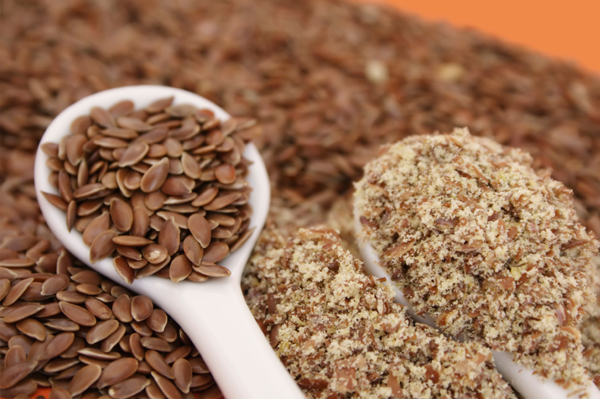
Source - Brown flaxseed
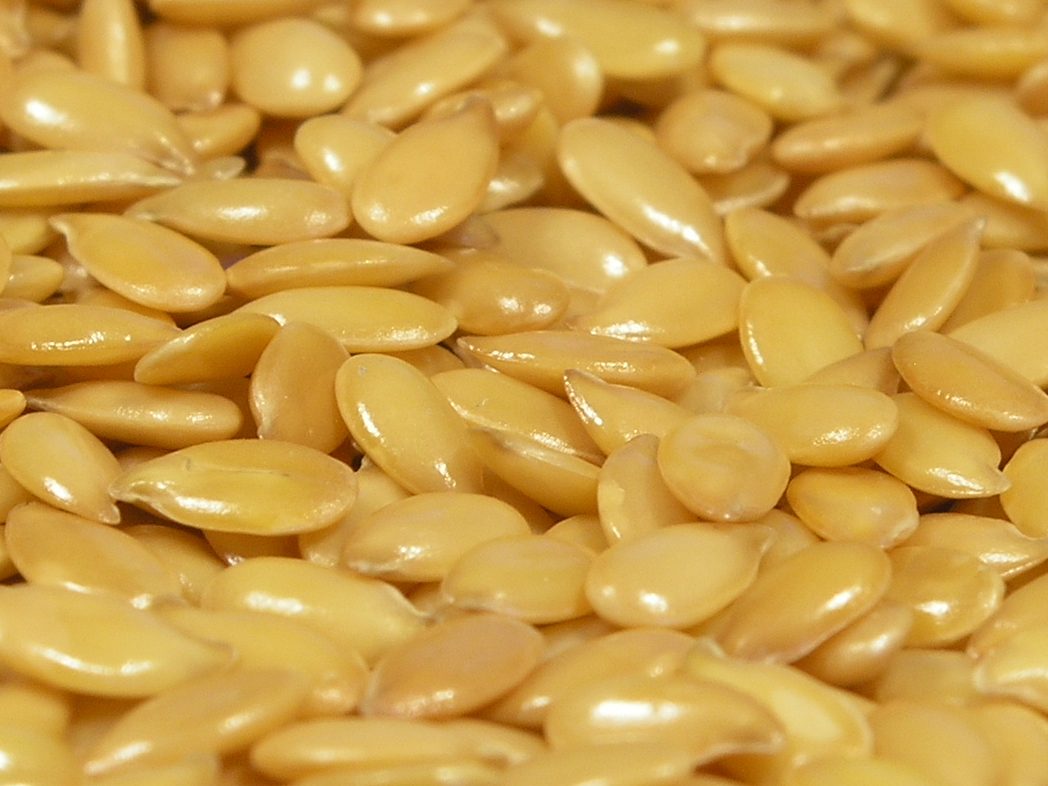
golden linseeds
Source - Golden flax aka Golden linseeds (Doesn't it look like egusi/melon?)
According to Wikipedia, it is a food and fiber crop that is native to the eastern Mediterranean, western Asia, the Middle East and India. You may have heard of Flaxseed oil or Flaxseed gel, and yup, this is where they come from :)

HAIR USE
Flaxseed as shown above comes in two varities - brown and golden. Both are high in omega-3 fatty acids, so help to keep your hair moisturized! Yes, a gel that moisturizes and doesn't leave your hair dry and/or crunchy! It also gives good curl definition, so those that like wash and go's should like this. Some of the benefits according to Urban Bush Babes are:

  • Leaves hair soft, shiny, and moisturized
  • Promotes hair growth
  • You can reuse the flax seeds
  • Cost effective (more for your money)
  • Nourishing for the hair rich in omega 3
  • Gives great curl definition
  • Gives hold with no crunch/non flaking/not drying to the hair/doesn’t cause breakage/or shedding
  • Fast drying
  • Great for wash n go’s/sleek styles/twists and twist outs and sets the twists once dry for a lovely twist out
  • Mixes well with oils/conditioners/ many products
  • All natural. Organic.
  • A lot of reviews compare it to Kinky Curly’s Knot Today, but say Flax seed Gel  is actually better
  • Great for all hair types
HOW TO USE IT
Like I mentioned above, flaxseed for natural hair is most commonly used as a gel. Since it's a natural ingredient, a lot of naturalistas would prefer to use this instead of store-bought gels. The recipes I've seen call for the flaxseeds themselves (I'm yet to see any videos using the flaxseed powder).

Ekene of The Kink and I recently made a batch of Flaxseed gel, and this is her result below.

the kink and i
Source
Things to note:

  1. Don't make too much gel unless you plan to keep and refrigerate for a week or two, or want to give some out.
  2. Don't douse your head in gel, natural or otherwise. Ekene had a lot of flakes because she mistakenly used too much, after hearing about the moisturizing properties. 

You can learn more about making Flaxseed Gel for Natural Hair in the following video. 


P.S. You can use a strainer instead of pantyhose. 


Remember, try new things on a small section of hair first to ensure that you don't have any negative reactions.

This is something that I would like to try out - maybe not making my own batch, but buying as I've been using gel this whole week and my whole head is full of flakes :(

Have a nice weekend!

Do you use Silicone-based Products for your Natural Hair?

By DiscoveringNatural
Do you know that there are different types of silicones; water soluble, deposit repelling silicones, and non-water soluble?

Water soluble silicones can be easily washed away and still provide the benefits of using -cones in hair. Eg: Stearoxy Dimethicone, Dimethicone Copolyol, silicone with PEG or PPG as a prefix, Lauryl Methicone Copolyol

Deposit Repelling silicones slow down the build up process. Eg: Trimethylsilylamodimethicone, Amodimethicone, Cyclopentasiloxane, Cyclomethicone

Non-Water soluable silcones cannot be easily washed away. They can cause build up and need sulfate shampoos to remove. Example: Dimethicone,
Trimethylsilylamodimetheicone, Phenyl Trimethicone, Cetearyl Methicone, Dimethiconol, Stearyl Dimethicone, Cetyl Dimethicone

Why is Silicone GOOD for Natural Hair?
Silicone can help you minimize frizz and also help in detangling your hair. Some naturals use it as a way to seal in the moisture into their hair. It acts as a great sealant. As a heat protectant, silicones protects the hair from extreme heat. It also know to help hair dry quicker, provide deep conditioning to damaged areas, and strengthen hair.


Why is Silicones BAD for Natural Hair?
In the case of non-water soluble silicones, it can cause product build up, if care is not taken to properly cleanse the product out of your hair. Even with water soluble silicones, if used overtime without cleansing or rinsing off hair, you could still experience build up. Since excess build up can only be removed with a sulfate or clarifying shampoo, this can cause dryness in hair. This dryness can lead to breakage. Because silicones are also sealants, re-moisturizing hair can be a challenge if you are moisturizing on top of the silicone seal. It is best to not use silicones in conditioners. Why? A great conditioner only needs emollients, humectants, moisturizers and... proteins.


Do you use SILICONES in your child's hair? If not, why don't you use SILICONES?

Herbal Party Series: NEEM

Hey everyone,

Some weeks ago, we announced that several powders/herbs are now available on the African Naturalistas store. And I was excited to see that too, but then when I clicked on the post, I was a trifle confused because I didn't know what 75% of them were, how they're used and what their benefits are. I know there's at least someone out there who's in the same boat, so we've started a series with a focus on all the herbs posted, so that we can learn a thing or two.

First was Amla, then Shikakai. Today we have Neem!


african naturalistas
Source : Neem fruit and leaves

Its scientific name is Azadirachta indica, and the tree is native to India and the Indian Subcontinent. It's also called Indian Lilac. Its fruits and seeds are the source of neem oil.

HAIR USE
Neem products (including the powder or oil) are thought by Ayurvedic practitioners to be anti fungal, antibacterial, among other characteristics (its also used to kill pests and insects). While reading, I saw that it is good to fight against dandruff and scalp infections, and also strengthens your hair. HOWEVER, I read that the smell can be really strong, so you have to be able to manage it. In addition, Dabs of Naija Hair Can Grow, tried using Neem oil on her hair (which is relaxed) and had a horrible experience, so PLEASE make sure you test a tiny patch of hair first, before trying it on your whole head.

HOW TO USE IT
Simply mix your neem powder with warm water to form a paste. You can also mix with Amla powder and Shikakai powder to make your paste (2 parts of these, and 1 part of neem, mixed with water). Massage the paste into your scalp and wait for a little bit (I've seen anywhere from 5 minutes to 30 minutes) before rinsing off. Make sure it's all rinsed off COMPLETELY - you can rinse with some ACV as well if you want. 
african naturalistas
Source: La Coco Bella chose to mix her Neem powder with peppermint tea.

Remember, try new things on a small section of hair first to ensure that you don't have any negative reactions.

You can order Neem powder and others from the African Naturalistas store.

Have a nice weekend!

My Experience With Coconut Milk on Natural Hair


source


Hello ladies! 


I used coconut milk for the first time when I was transitioning. A mean after all the nutrients and benefits it claims to have, I had so much expectations. I actually had coconut oil in mind but somehow along the way, I reserved some milk for DC. After applying and washing out after a while, nothing happened. No obvious improvement in texture and whatnot.  

A months ago, while shopping in a supermarket, I spotted a packaged coconut milk(above) and I bought it instantly after all I haven't used it since my big chop. I got home, emptied the can, preserved it and waited until wash day. 

Wash day arrived. I didn't want to use it alone so I bought plain yoghurt, mixed it and applied on my hair. After a while, I washed it out. I particularly noticed that instead my hair to become softer as I had expected, it became harder. I was shocked. Even after washing, it was still hard. I had to quickly moisturize my hair. 

Last month, I colored my hair before which I had prepared a special delicacy of Avocado, Yoghurt and the same coconut milk all blended together. In mind, it wouldn't have so much effect. Smh.  If only I knew. 

Turns out that the coconut milk overshadowed the Avocado and yogurt so much that, they ''lost their powers'' so to speak. After washing out, my hair was still hard. 
I was so upset.

 I've refrigerated the remaining until I can think of what to do with it but for now, I'm staying clear of coconut milk. 


So ladies, what's your experience like? Does raw coconut milk work for you or does it have a counter-effect like mine? Let's talk! 


Love,knots and kinks
eBunite  

Natural Hair Care 101: Product Ingredients

Hello everyone,

I came across a post on KL's Naturals blog 'Reading and Understanding the Ingredient List on your products,' and I got her permission to share the post here. It's full of so much detail, so get ready with your pens and notepads. I commented on her post saying that I used to use a hair product that's a mix of oils, and one day, decided to look at the ingredients list very well - to my horror, I saw that mineral oil was either the first or second ingredient, and that's BAD NEWS! I quickly stopped using that product and found something else with better ingredients. Anyways, here's the post, which can be found here
~~~~~~~~~~~~~~~~~~~~~~~~~~~~~~~~~~~~~~~~~~~~~~~~~~~~~~~
When you embark on a hair journey (whether relaxed or natural) the one thing you must begin to pay attention to are the ingredients in the products that you currently use and the ones you intend to purchase. Being aware of what you are putting in your hair is key in enhancing the moisture, resilience, softness and strength of your hair which in turn leads to healthy hair that retains length. The only way you are aware is by reading the ingredient list of your product AND understanding not just the ingredients listed but the ORDER in which they are listed.

INGREDIENTS ORDER
Ingredients are typically listed in descending order i.e. from highest to lowest concentration. So whatever you see listed first is the main ingredient and whatever is last is the least ingredient. You'd be amazed to know that the first 3 ingredients make up about 90% of the entire contents! Everything that comes after will take up between 1 - 3% each. Therefore, don't be fooled by the marketing gimmicks of some companies that have exotic stuff emblazoned on the cover of their product (Argan Oil! Shea Butter! Murumuru Butter!) only to have it as the 15th one in a list of 17 ingredients!


MOISTURIZERS
When picking a daily moisturizer, ensure that it is a water based moisturizer and the way you will know this is the first ingredient listed will be 'water' (or aqua) . Water hydrates hair and is the best thing for our thirsty locks. So if you're not using a spritz that you've mixed yourself, ensure that whatever you use has water as its first ingredient.

SILICONES/SULFATES
The next thing to be aware of are the silicones and sulfates contained  in your shampoos and deep conditioners/leave in conditioners/daily moisturizers - if you missed my post on the interaction between both ingredients, please click here. Sulfates if used regularly will strip your hair and ideally should be limited to once a month to clarify whatever product build up you may have. Silicones can generally only be removed by sulfates so if you must use products with silicones then you can't stick to sulfate free shampoos.


SYNTHETIC OILS
Moving on to synthetic oils a.k.a Mineral oil and Petrolatum - the way I always explain this is: if you smear petroleum jelly on your hand and you pour water on it, what you will notice is the water immediately gliding off as the petroleum jelly has created a barrier. Same thing with these ingredients - they coat your hair and eventually prevent moisture from penetrating the strands - everything you put in the hair subsequently literally just sits on the hair. The result is dry thirsty hair that begins to break. Some people swear by their products that have these ingredients - just remember if petroleum and mineral oil are the first and second ingredient in your products, then you will need to use a sulfate based shampoo more regularly to remove them - and using a sulfate based shampoo regularly will dry out your hair.

Natural oils (coconut oil, almond oil, avocado oil etc) are preferable as they create a permeable barrier that moisture can still penetrate through and the oils in and of themselves are healthy and beneficial to the hair.


HUMECTANTS/EMOLLIENTS
Humectants help moisturize and keep hair moisturized and include ingredients like glycerine, propylene glycol, pro vitamin panthenol, aloe vera, honey. These are generally great ingredients to have. Emollients (butters and oils) also aid in moisturizing your hair.

SURFACTANTS/POLYMERS
Surfactants and Polymers are conditioning agents which help improve hair's sheen, pliability and shine. Surfactants (Quartenium 26, PPG - 9 diethylmonium choloride)  are typically combined with fatty acids (cetyl, stearic, oleic, linoleic)  while polymers are generally added to thicken the otherwise watery consistency of the product. Polymers also improve curl patterns in hair and common examples are: Celluloses, Polyquarternium 4,10,44 etc)

PROTEINS
There are different variations of protein - hydrolized protein, silk protein, keratin, wheat protein, silk amino acids etc. Protein adds structure to hair, reinforcing it and keeping it from being a weak, limp mess. PLEASE NOTE: Some people are very protein sensitive - they use it and their once soft and manageable hair begins to feel hard and becomes a tangled mess.

Relaxers break the protein bonds in hair (hair is predominantly made up of keratin which is a chain of proteins) and this is why when your hair is relaxed, you need to have a balance of moisture and protein in your hair products and regimen. Natural hair many not need protein as often as relaxed hair does, but it is still useful for strengthening and reinforcing the hair.

Whatever the case, it is up to you to 'listen' to your hair and determine what it likes and doesn't like - for instance as fantastic as Coconut Oil is  some heads of hair do not take to it because coconut oil binds to the keratin bonds in the hair, helping with protein retention.

For some, it may not be all protein their hair is sensitive to but certain kinds of protein - my hair for instance is not a great fan of some Taliah Waajid's products ( it loves the Protective Mist Bodifier though) as they seem to contain some form of silk protein. So you just need to figure it out really.

PRESERVATIVES/FRAGRANCES
Finally you'll have the preservatives and fragrances -  examples of  perservatives are: potassium sorbate, sorbic acid, and the controversial parabens (which some studies have now linked to tumors). Fragrances will say just that - fragrance.

So there you go! Hope that helps when next you go product shopping so you're better informed of what you're putting in your hair - nothing beats being informed and taking responsibility!

~~~~~~~~~~~~~~~~~~~~~~~~~~~~~~

What a wealth of information right??? I hope you use this knowledge in your search for products in the future. And as always, you can find great products in the African Naturalistas store :)

Berry Dakara

Are Acids in Natural Hair Products safe?

Last week, I talked about Alcohols in Natural Hair Products. If you missed it, click here. This week, we will be talking about Acids.

It amazes me how some words jump out at us as harmful, yet that is what we use in our everyday life. If acids were as harmful as many of us see it to be, then I guess we should have died from taking oranges and other citrus fruits, while are citric acids.

I put it to you that if you are a naturalista in love with mainly natural ingredients, more than 50% of what you use are acids. Yes, you read right. Acids

First of all, the thing is… all oils are butters are made up of acids. 100% acids, and they are called fatty acids.  Some of them are thicker than others. For example,

Cocoa butter is 25 to 30% palmitic acid, 31 to 35% stearic acid, 34 to 36% oleic acid, and 3% linoleic acid.

Shea butter is 3 to 7% palmitic acid, 35 to 45% stearic acid, 40 to 55% oleic acid, and 3 to 8% linoleic acid.

Coconut Oil is 47.5% lauric acid, and some unsaturated fats with 18.1% myristic acid, 8.8% palmitic acid, and elements of of stearic, oleic, linoleic, and arachidic acids

And on and on...

In other words, oils and butters are all acids. You can do more research on your product of choice in your spare time.

Note that the higher the palmitic acid, the thicker the oil or butter. The acids have varying thickness. It is the concentration of each of the acids in each product that makes one oil or butter thicker than the other.

As an aside, you can see the percentage of these acids in the natural products is not fixed. This is why natural ingredients are not consistent, and using them in manufacturing is quite tricky. Some manufactures take the easy way out and just make their products consistent by using Mineral oils and Petrolatum, so they don’t have to deal with varying appearances of products caused by 100% natural ingredients.

Then you also have acids used as preservatives in cosmetics, drugs and food. Examples are Citric acid, Benzoic Acid, Acetic Acid, etc. They are all safe.

So you will see fatty acids and preservative acids in your products.


Are all acids safe? No. The truth is that unlike alcohols, you will never see unsafe acids in your hair products. If you see acids in your products, don't be scared. Now if you see H2SO4, all I can say is Ruuuunnnnn, lol.

So when next you see acids in your hair products, there is no need to jump off the roof like you just saw a ghost. Not all acids are as toxic as battery acid (H2SO4) or HCL. The truth is that you have already been using acids in your daily life. So don’t fret.

Think about this. If something is not neutral or alkaline, it is definitely acidic. And honestly, I will rather use something acidic than alkaline on my hair. Why are we even talking too much? Even our hair is Acidic. I guess that says “Case Closed.”


What if we go further and add Acids of this week to the Alcohols of last week? It is called Esterification. And that is where ingredients like Glycerol Monostearate and co come from. They are all safe, and in your hair products.

Did you enjoy or learn from the article above? Please, like our Facebook page here. Thank you

Are Alcohols in Natural Hair Products safe?

Have you ever heard the phrase ‘Alcohol is bad for natural hair’, and then you stepped into the shopping mall and realised that every single natural hair product you saw had something alcohol in it?

The thing is you can hardly manufacture hair products or any creamy cosmetic without some form of alcohol, i.e. fatty alcohol. These fats are what makes lotions lotions, conditioners conditioners, shampoos shampoos. They are the substances that make you able to call something ‘creamy’. Without them, all you would have is just some watery substance and oil floating on top. These are the fats that emulsify, opacify, and thicken hair products. And this is the reason why they are in every hair product you see. They are mostly derived from natural products, and the word ‘alcohol’ accompany them because they have molecules of ‘C’, ‘H’ and ‘OH’ in their chain, not because they are harmful. Don’t worry, this is not a chemistry class. Examples are cetyl alcohol, steary alcohol, cetearyl alcohol, etc.

Now are all alcohols safe for our hair? Absolutely not. Only fatty alcohols are safe. Drying alcohols are not. As the word says, they are drying. They make your hair feel crunchy, dry, and promote breakage. They are hard to miss in products, because they smell like what many people call ‘Spirit’. Examples are Ethanol, Isobutane, Isopropyl Alcohol, Propanol, Propyl Alcohol

Not all alcohol look like this. Source

So I believe when next you pick your ingredients, you would know what exactly it is you are looking for and running away from. If you were thinking of skipping the word ‘Alcohol’ completely, ehm, you might as well start using only water on your hair cos it aint gonna happen.

Next week, I will talk about Acids in hair products.

Did you enjoy or learn from the article above? Please, like our Facebook page here. Thank you

Got Protein?? Watch it now!

  Happy Tuesday Ladies! As women sporting Textured hair ,it is quite important to pay close attention when administering our Protein Hair Treatments. In this video, I address how I am tackling this issue that continues to pose a semi problem to naturals everywhere. Bless up Ladies!


The great benefits of aloe Vera to your hair

Hi Naturalistas!
Happy new month!

It is always important to understand the benefits of the products you use, so you can know exactly how to engage them. I read about the great benefits of the aloe vera to the hair and I was really amazed, I just had to share. It has indeed proven to be a great plant. So many people have enjoyed the health benefits of aloe Vera, it has become a main component of alternative therapies. Now we get to utilize it for the hair too. I'd say everyone should just grow a tiny bunch in their garden, it can grow very well too in a small pot. 
Here are some of the benefits if aloe Vera to the hair: 


                                 Source: Link no longer active


- It is a good moisturizer
Aloe Vera acts as a good moisturizer leaving your hair feeling soft and smooth. Add it to your conditioning mix to maximize moisture retention.

- It acts as a good hair growth stimulator
Due to the enzymes present in the aloe Vera juice, it can be used to promote hair growth, as well as prevent hair loss. 

- It can be used as an astringent to get rid of excess oils from your hair
Excess oils can clog hair follicles causing hair damage, retarded growth and hair loss. You can use aloe Vera juice to clean these excess oil residues from your hair.

- It can help tackle dandruff and itchy scalps
It has anti - pruritic elements which function to alleviate itching and scarring of the scalp. Apart from that, it also helps to remove dead cells which would otherwise contribute to itching. The greatest aspect is its ability to tackle dandruff itself. Dandruff usually has a fungal origin, and since this plant has anti fungal properties, dandruff cannot thrive on the scalp when aloe Vera is being introduced. 

A single plant with so many benefits. Quite impressive!

Don't forget to keep your heads high and rock your kinks with pride. 

JB
Twitter: @janylbenyl

Culled from
Buzzle and organic color systems: Link no longer active 

Related Posts Plugin for WordPress, Blogger...