Showing posts with label herbal party series. Show all posts

Herbal Party Series: ROSE POWDER

Hey everyone,

If you're just catching up with us, I've been posting a series on different herbs and powders that were sold and are being sold on the African Naturalistas store. (FYI quite a few are actually sold out now). I thought it would be a great idea for us to learn about the different products, so that we know what we're buying and what they're used for.

To refresh your memory, we've talked about the following:
  1. Amla
  2. Shikakai
  3. Neem
  4. Hibiscus
  5. Flaxseed,
  6. Henna

Today I'd like to go over Rose Powder, which luckily, is still available at the store.
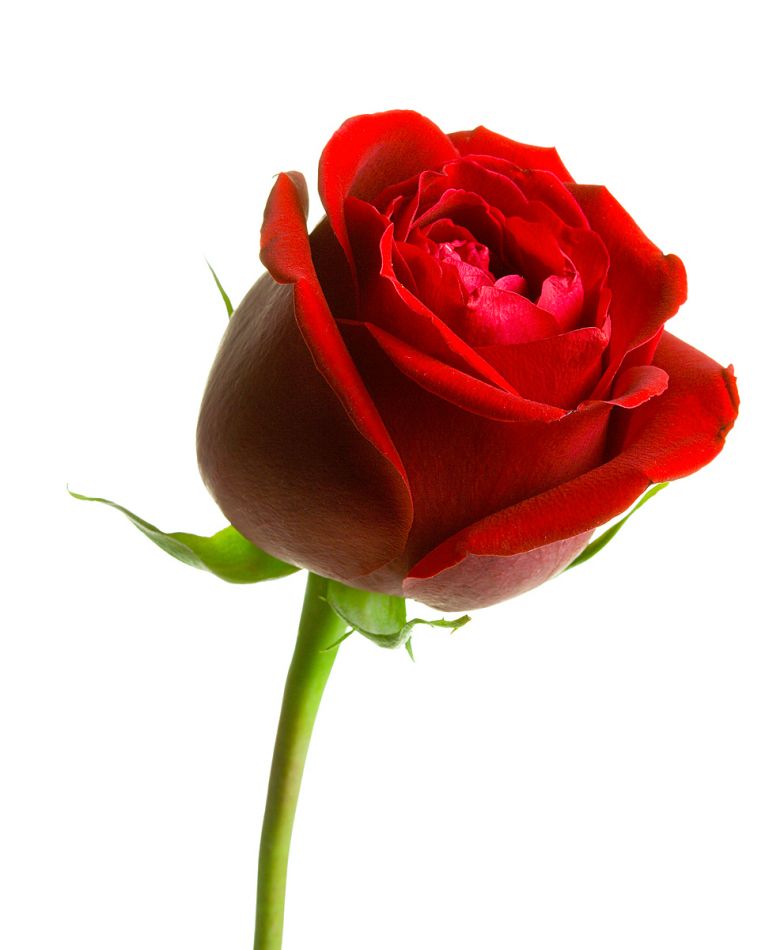
red rose
Source
rose powder for sale african naturalistas
Source

According to Wikipedia, it is of the family Rosaceae, and it is a flowering plant. Rose plants are mostly native to Asia, but can be found in Africa, Europe, and North America. Roses, as we know, are typically attached to LOOOVE, and are very popular in relationships, especially around birthdays, significant occasions and most importantly, VALENTINE'S DAY. But did you know that roses can be consumed too? Ever heard of rose tea? Not only are roses good as ornamental plants, or edible, but they are also used in cosmetics - mainly as Rose Water or Rose Petal Powder (aka Gulab).

HAIR USE
There isn't a lot of research and reviews out there for Rose Powder on natural hair, but from the little I was able to find, some of the benefits of rose powder are:
  • Softer and shinier hair, as it is a very good for conditioning.
  • Rose powder also has been reported to have anti-inflammatory properties and can help deal with mild dandruff or scalp irritations. 
HOW TO USE IT
Rose powder is typically mixed with water and other ayurvedic powders like henna. It's typically used as a final rinse when washing your hair. 

Remember, try new things on a small section of hair first to ensure that you don't have any negative reactions.

Have you used Rose powder on your hair before? What were the results? Don't forget that you can purchase Rose powder for a low low price at the African Naturalistas store.

Have a nice weekend!

Herbal Party Series: HENNA

Hey everyone,

If you're just catching up with us, I've been posting a series on different herbs and powders that were sold and are being sold on the African Naturalistas store. (FYI quite a few are actually sold out now). I thought it would be a great idea for us to learn about the different products, so that we know what we're buying and what they're used for.

We've learned about AmlaShikakaiNeemHibiscus, and Flaxseed. On the line up today, one of the most, if not THE most popular powder in natural hair care - HENNA!!! (still available at the store)
henna flower
Source - Image by J.M. Garg
henna
Source
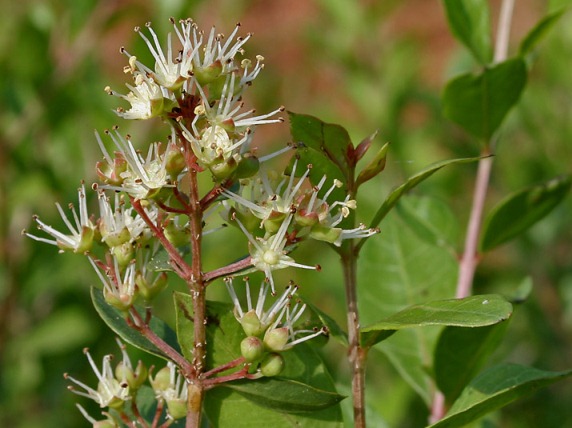
According to Wikipedia, its scientific name is Lawsonia inermis, and it is a flowering plant. Henna is native to northern Africa, as well as western and southern Asia. As we all know, Henna is VERY VERY popular as a dye used for hair, as well as skin (henna tattoos).

HAIR USE
The most common use of henna for natural hair is as a dye. Natural henna will give you a brownish red color or a hint of red (It didn't leave any color when Atilola did it, but Ebun got noticeable color. Now, please note that there are dyes out there called 'neutral henna' or 'black henna.' Neither of these are actually made from henna. Neutral henna (cassia) does not color, and black henna is usually just indigo mixed with other dyes. Additionally, occurrences of serious allergic reactions to black henna have been recorded, so please be careful. If you want to color your hair black, you can mix henna with indigo, or apply henna first, then indigo. But henna on its own will NOT dye your hair black.

Some of the benefits of henna are
  • Stronger hair, which means less breakage and shedding. Henna binds with keratin in hair and makes the hair shaft stronger.
  • Reduces frizz and gives shinier, smoother hair. Henna also fills in spots in the hair's cuticle, and coats the hair. (While henna coats your hair, it doesn't stop moisture from passing through, so you can moisturize your hair.
  • All natural. 

Some people note that their curl patterns are looser after applying henna to their hair, thereby making it easier to detangle. Others may not see a stretched curl pattern as a benefit, hence I'm noting it separately from the list above. 

Another thing to note is that for some, after henna application, their hair gets very dry. It is recommended to follow a henna treatment with a moisturizing/conditioning treatment. 

HOW TO USE IT
Honestly, there is no one way to use henna. Some people mix theirs with water, tea and honey. Others may mix it with water, tea and lemon juice. It can be mixed with water, oils, and ACV. Henna can be mixed with a plethora of other ayurvedic powders, depending on what you want to achieve. You can also add in conditioner to your mix.

However you decide to mix it,

  1. The paste should be made to a cake batter consistency. It has to be covered and left at room temperature for up to 8 hours, so that the dyes can be released. In the meantime, remember to prep your hair and condition, so that the henna application won't dry out your hair. 
  2. Henna treatments are usually a long application, so do it on a day when you have nothing to do, or like some people who overnight it. Slather it from root to tip all over your hair, wrap head in a plastic cap and keep on for a minimum of 4 hours (or you can sleep with it). If you're awake, you can also steam for about 30 minutes.
  3. Afterwards, thoroughly rinse it out (this might be hard as some particles may be difficult to remove - so a conditioner with very good slip is recommended to wash it out). When it's all (or majority of it is) rinsed off, follow with moisturizing DC - make sure  it doesn't contain protein or else your hair will just be hard and brittle.  
  4. Rinse out your DC and wash or cowash, and you're good to go. 
ebunite african naturalistas with henna on natural hair
Henna and Hibiscus mix on Ebun

Things to note:
  1. Use plastic gloves when applying henna, or you will end up with red palms for 2 weeks like Atilola did. 
  2. Make sure you cover the area where you're standing with old newspapers, in case the paste drips onto the floor and stains it. In that vein, also make sure to immediately rinse your bathroom sink, tub or shower stall as soon as you're done rinsing it out of your hair. 
  3. If leaving the henna in your hair overnight, make sure your wrap your hair  VERY well to avoid stains on your sheets and pillow cases. Now is the time to use your old t-shirts. 
You can learn more about Henna for Natural Hair in the following video. 


Remember, try new things on a small section of hair first to ensure that you don't have any negative reactions.

Have you used Henna on your hair before? What were the results? Don't forget that you can purchase Henna powder for a low low price at the African Naturalistas store.

Have a nice weekend!

Herbal Party Series - FLAXSEED

Hey everyone,

A month and a half ago we announced that several powders/herbs are available on the African Naturalistas store. (FYI quite a few are actually sold out now). I was excited to see what powders were available, but then when I clicked on the post, I was a trifle confused because I didn't know what 75% of them were, how they're used and what their benefits are. I know there's at least someone out there who's in the same boat, so I started a series with a focus on all the herbs posted, so that we can learn a thing or two.

We've learned about AmlaShikakaiNeem and Hibiscus so far, and today we have FLAXSEED on the lineup!
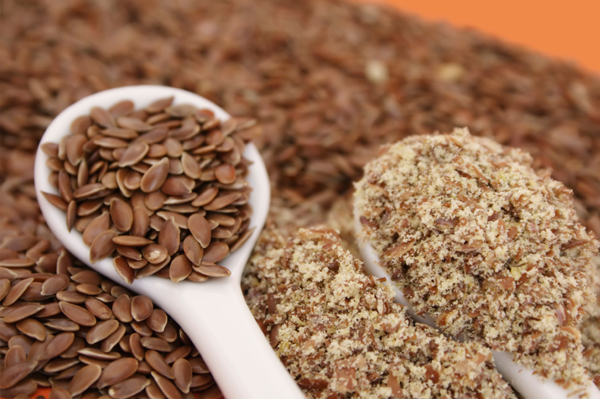
african naturalistas flaxseed
Source - Brown flaxseed
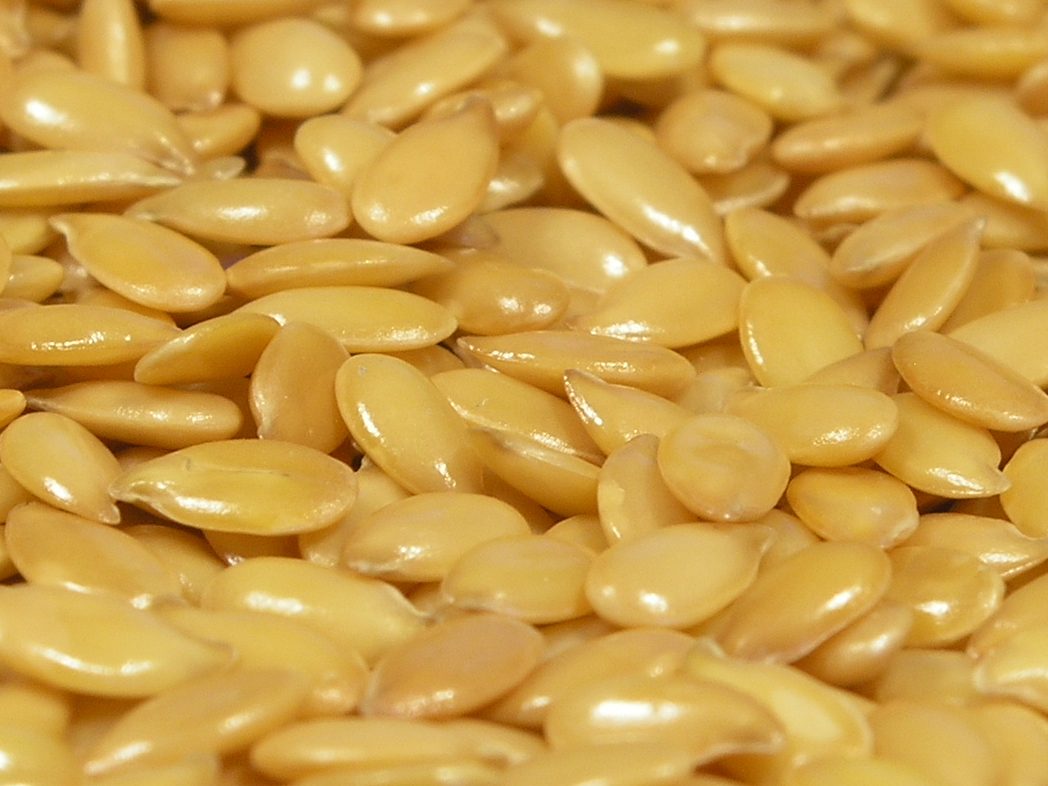
golden linseeds
Source - Golden flax aka Golden linseeds (Doesn't it look like egusi/melon?)
According to Wikipedia, it is a food and fiber crop that is native to the eastern Mediterranean, western Asia, the Middle East and India. You may have heard of Flaxseed oil or Flaxseed gel, and yup, this is where they come from :)

HAIR USE
Flaxseed as shown above comes in two varities - brown and golden. Both are high in omega-3 fatty acids, so help to keep your hair moisturized! Yes, a gel that moisturizes and doesn't leave your hair dry and/or crunchy! It also gives good curl definition, so those that like wash and go's should like this. Some of the benefits according to Urban Bush Babes are:

  • Leaves hair soft, shiny, and moisturized
  • Promotes hair growth
  • You can reuse the flax seeds
  • Cost effective (more for your money)
  • Nourishing for the hair rich in omega 3
  • Gives great curl definition
  • Gives hold with no crunch/non flaking/not drying to the hair/doesn’t cause breakage/or shedding
  • Fast drying
  • Great for wash n go’s/sleek styles/twists and twist outs and sets the twists once dry for a lovely twist out
  • Mixes well with oils/conditioners/ many products
  • All natural. Organic.
  • A lot of reviews compare it to Kinky Curly’s Knot Today, but say Flax seed Gel  is actually better
  • Great for all hair types
HOW TO USE IT
Like I mentioned above, flaxseed for natural hair is most commonly used as a gel. Since it's a natural ingredient, a lot of naturalistas would prefer to use this instead of store-bought gels. The recipes I've seen call for the flaxseeds themselves (I'm yet to see any videos using the flaxseed powder).

Ekene of The Kink and I recently made a batch of Flaxseed gel, and this is her result below.

the kink and i
Source
Things to note:

  1. Don't make too much gel unless you plan to keep and refrigerate for a week or two, or want to give some out.
  2. Don't douse your head in gel, natural or otherwise. Ekene had a lot of flakes because she mistakenly used too much, after hearing about the moisturizing properties. 

You can learn more about making Flaxseed Gel for Natural Hair in the following video. 


P.S. You can use a strainer instead of pantyhose. 


Remember, try new things on a small section of hair first to ensure that you don't have any negative reactions.

This is something that I would like to try out - maybe not making my own batch, but buying as I've been using gel this whole week and my whole head is full of flakes :(

Have a nice weekend!

Herbal Party Series: HIBISCUS

Hey everyone,

Sorry for the break last week. Moving right along today, if you just joined us, some weeks ago, we announced that several powders/herbs are available on the African Naturalistas store. (FYI quite a few are actually sold out now). And I was excited to see that too, but then when I clicked on the post, I was a trifle confused because I didn't know what 75% of them were, how they're used and what their benefits are. I know there's at least someone out there who's in the same boat, so we've started a series with a focus on all the herbs posted, so that we can learn a thing or two.

We've learned about Amla, Shikakai and Neem so far, and today we have HIBISCUS on the lineup!

Source

According to Wikipedia, it comes from the family Malvaceae, and the plant is native to warm-temperate, subtropical and tropical climates around the world. It has many different species and varieties and comes in a plethora of colors, but the one we're most interested in today is the red-colored flower. Hibiscus is used for many different things, such as food, tea and it's also the main component of Zobo drink here in Nigeria.

HAIR USE
Hibiscus powder is used in Ayurvedic practice, and is thought to have many benefits such as
  1. Encourages hair growth by stimulating circulation
  2. Discourages split ends
  3.  Prevents pre-mature greying of the hair strands
  4. Thickens hair
  5. A mild cleanser that helps with toxin elimination
  6. A great hair color/dye for natural hair especially in combination with henna (points culled from here)
You can also mix hibiscus powder with other powders, including amla, henna (like Lola did), or even in your tea rinse! It's that great.

HOW TO USE IT
Please be advised that hibiscus powder is red and it can stain your bathtub or shower, so be careful with application, and make sure to rinse or wash off your tub and hands as soon as you're done. Lola wrote about her experience with henna and hibiscus here and had red palms for 2 weeks.

Also, from what I've read, if you're looking to have that red color, hibiscus alone won't do it - you'll have to mix it with henna. I think it's something I might try in the future. Nappily Nigerian Girl used hers as a conditioning rinse.

To use hibiscus powder in your natural hair treatment, mix it with oils and/or other powders of your choice and form a paste. Massage the paste into your scalp and wait for a while (at least 30 minutes) before rinsing off. You can cover with a plastic cap and sit under a steamer too. Make sure it's all rinsed off COMPLETELY.

Lola with henna and hibiscus mix on her natural hair
You can learn more about Hibiscus for Natural Hair in the following video. 


Remember, try new things on a small section of hair first to ensure that you don't have any negative reactions.

You can order Hibiscus powder and others from the African Naturalistas store.

Have a nice weekend!
Herbal Party Series: NEEM

Hey everyone,

Some weeks ago, we announced that several powders/herbs are now available on the African Naturalistas store. And I was excited to see that too, but then when I clicked on the post, I was a trifle confused because I didn't know what 75% of them were, how they're used and what their benefits are. I know there's at least someone out there who's in the same boat, so we've started a series with a focus on all the herbs posted, so that we can learn a thing or two.

First was Amla, then Shikakai. Today we have Neem!


african naturalistas
Source : Neem fruit and leaves

Its scientific name is Azadirachta indica, and the tree is native to India and the Indian Subcontinent. It's also called Indian Lilac. Its fruits and seeds are the source of neem oil.

HAIR USE
Neem products (including the powder or oil) are thought by Ayurvedic practitioners to be anti fungal, antibacterial, among other characteristics (its also used to kill pests and insects). While reading, I saw that it is good to fight against dandruff and scalp infections, and also strengthens your hair. HOWEVER, I read that the smell can be really strong, so you have to be able to manage it. In addition, Dabs of Naija Hair Can Grow, tried using Neem oil on her hair (which is relaxed) and had a horrible experience, so PLEASE make sure you test a tiny patch of hair first, before trying it on your whole head.

HOW TO USE IT
Simply mix your neem powder with warm water to form a paste. You can also mix with Amla powder and Shikakai powder to make your paste (2 parts of these, and 1 part of neem, mixed with water). Massage the paste into your scalp and wait for a little bit (I've seen anywhere from 5 minutes to 30 minutes) before rinsing off. Make sure it's all rinsed off COMPLETELY - you can rinse with some ACV as well if you want. 
african naturalistas
Source: La Coco Bella chose to mix her Neem powder with peppermint tea.

Remember, try new things on a small section of hair first to ensure that you don't have any negative reactions.

You can order Neem powder and others from the African Naturalistas store.

Have a nice weekend!

Herbal Party Series: SHIKAKAI

Hey everyone,

A couple of weeks ago, we announced that several powders/herbs are now available on the African Naturalistas store. And I was excited to see that too, but then when I clicked on the post, I was a trifle confused because I didn't know what 75% of them were, how they're used and what their benefits are. I know there's at least someone out there who's in the same boat, so for the next how many weeks, I shall focus on all the herbs posted, so that we can learn a thing or two.

Last week, we were introduced to Amla. Today, I'm going over a quite popular one: Shikakai

Source
Its scientific name is Acacia concina, and it is a climbing shrub native to Asia (very common in India). Indians have been using Shikakai for hair care for a veeeeeeery long time, and the name, Shikakai, literally means "Hair fruit."

HAIR USE
Wikipedia states that in order to prepare it the fruit pods, leaves and bark of the plant are dried, ground into a powder, then made into a paste. While this traditional shampoo does not produce the normal amount of lather that a sulfate-containing shampoo would, it is considered a good cleanser. Usually no conditioner is needed, for shikakai also acts as a detangler. An infusion of the leaves has been used in anti-dandruff preparations. A. concinna extracts are used in natural shampoos or hair powders and the tree is now grown commercially in India and Far East Asia. The plant parts used for the dry powder or the extract are the bark, leaves or pods. The bark contains high levels of saponins, which are foaming agents found in several other plant species used as shampoos or soaps.

HOW TO USE IT
You mainly use shikakai as a natural shampoo, but I've also read that you can use it to pre-poo. As stated above, mix the shikakai powder with water, enough to make a paste. Massage the paste in your hair from the roots to tips and leave on for about 15 minutes or so, before rinsing off. Remember that it doesn't really lather up like the shampoos you're used to. It is mild, having a naturally low pH, and doesn't strip hair of natural oils.

You can mix Shikakai with other powders, such as Neem, Amla, etc for use on your hair. Remember that we have a variety of these at the African Naturalistas Store. Some of them are actually selling out, so hurry up!

Have a nice weekend!
Berry Dakara


Herbal Party Series: AMLA

Hey everyone,

A couple of weeks ago, we announced that several powders/herbs are now available on the African Naturalistas store. And I was excited to see that too, but then when I clicked on the post, I was a trifle confused because I didn't know what 75% of them were, how they're used and what their benefits are. I know there's at least someone out there who's in the same boat, so for the next how many weeks, I shall focus on all the herbs posted, so that we can learn a thing or two.

First up is Amla.
african naturalistas
Source Amla fruit aka Indian Gooseberry

Its scientific name is Phyllanthus emblica, and the tree is native to India. It's also called Indian Gooseberry. It's an antioxidant with a very high Vitamin C content and has antimicrobial and antiviral properties.

HAIR USE
Amla powder is thought to be a very good conditioner for hair. In addition, some say that it helps dyes (such as henna) stick better to hair. I've also read that it can be good for fighting dandruff. Amla powder is good for strengthening the hair follicles as well, preventing hair loss. It can also help with curl definition.

HOW TO USE IT
Simply mix your amla powder with warm water to form a paste. Massage the paste into your scalp and dry or damp hair from root to tip for about thirty minutes before rinsing off (you can cover your hair with a shower cap). After all of it is rinsed off COMPLETELY, you can shampoo your hair. 

You can also choose to mix it with henna or other ayurvedic powders (and even oils like coconut or olive) for your hair treatment.

Video on how to use amla: (note, she put hers in for 5 hours and simply rinsed off)


As always, try new things on a small section of hair first to ensure that you don't have any negative reactions. 
You can order Amla powder and others from the African Naturalistas store.

Have a nice weekend!
Related Posts Plugin for WordPress, Blogger...